今日の体験を書こうとしたとき、
ふと、過去の記憶を思い出しました。
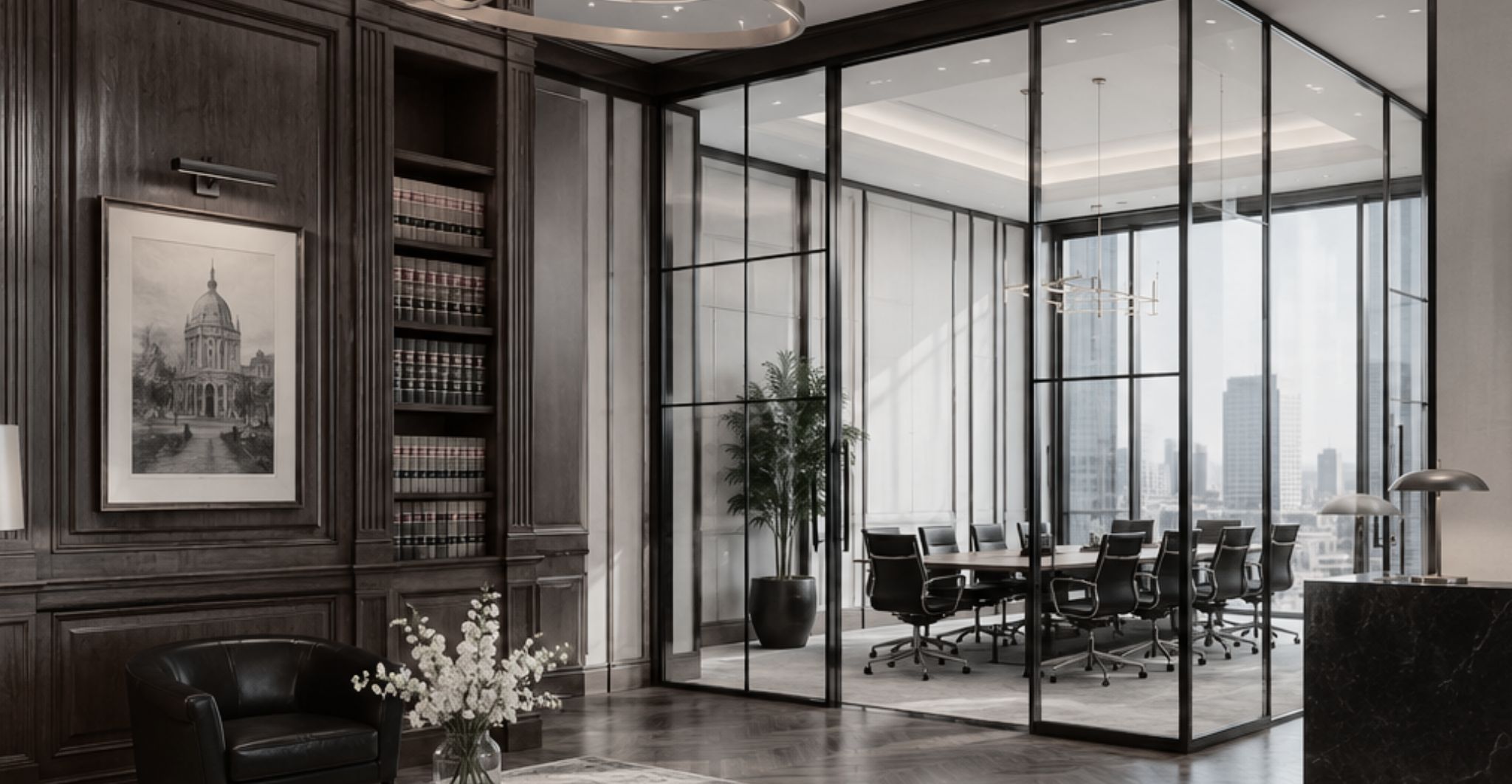
私が20-30代に勤めていた、外資のグローバル法律事務所でのことです。
国をまたいで大規模な案件が日常的に動く環境で、
クライアントの多くもグローバルに事業を展開していました。
その事務所では、デスクや椅子などの什器が、
本社仕様で世界中の拠点に統一されていました。
当時は、
「なぜここまで統一するのか」と疑問に感じていましたが、
今振り返ると、それはブランドの一貫性や安心感を生むための設計だったのだと思います。
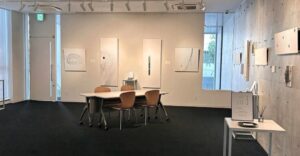
空間は、意図せずとも体験として受け取られ、
記憶に残っていくものなのだと、今になって実感しています。
もちろん、こうした取り組みはコストを伴います。
近年ではサステナビリティの視点も求められ、
そのあり方も少しずつ変化しているのかもしれません。
それから約20年。
香りや音といった要素も空間に組み込まれ、
五感に働きかける体験設計は、より精緻に進化しています。
空間は、単なる場所ではなく、
ブランドそのものを体験する場へと変化しています。
その本質は、グローバルでも地域でも変わらないと感じています。
AY. scent & designでは、
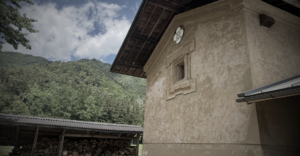
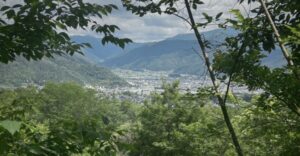
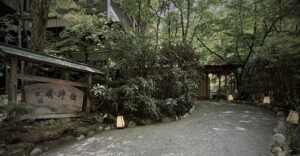
信州の空気や自然をベースに、
その場にしかない体験を設計することを大切にしています。
次回は、実際に五感で感じた体験について、
もう少し具体的に書いてみたいと思います。
As I began writing about today’s experience,
a memory from years ago came back to me.
In my 20s and 30s, I worked at a global law firm.
It was an environment where large-scale, cross-border projects were the norm,
and many clients operated internationally.
Across offices, furniture and interiors were standardized
to match the headquarters.
At the time, I questioned why so much effort and cost
went into maintaining that consistency.
Looking back, I now see it as a deliberate design
to create a unified brand experience and a sense of reassurance.
Spaces, even unintentionally, are experienced
and remembered as part of a larger impression.
Of course, such efforts come with cost.
Today, sustainability is also becoming an essential perspective,
and these approaches may be evolving.
Over the past two decades,
elements like scent and sound have become part of spatial design,
engaging the senses in more refined ways.
A space is no longer just a place,
but a way to experience a brand.
I believe this principle remains the same,
whether global or local.
At AY. scent & design,
we create experiences rooted in the air and nature of Shinshu—
designed to be felt, and quietly remembered.
In the next post,
I’ll share more about a recent sensory experience.